
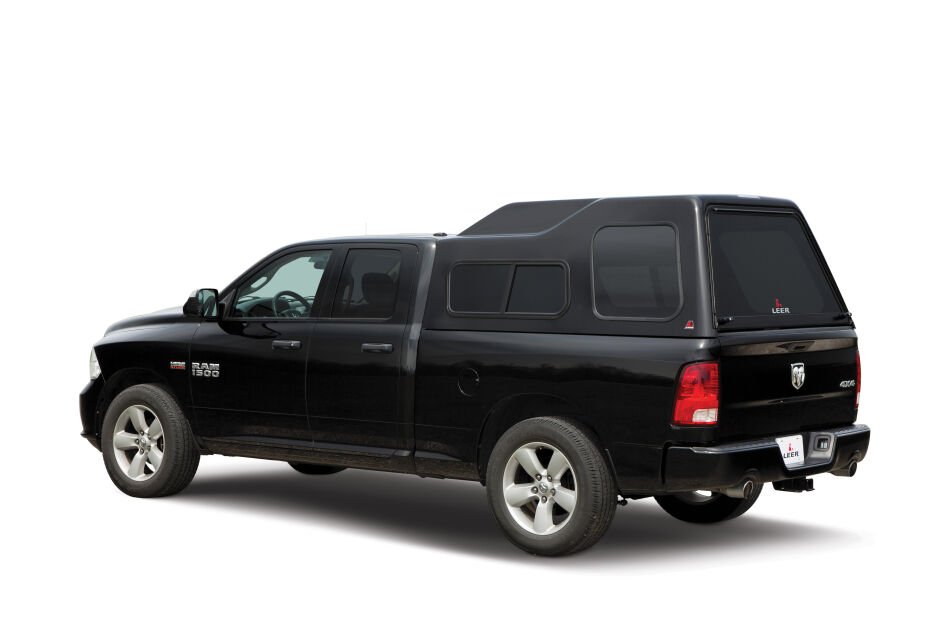
LEER DCC Camper Shell – Commercial-Grade Fiberglass Cap
The LEER DCC brings commercial-grade construction to fleet and contractor trucks. Built with the same one-piece fiberglass molding process that defines every LEER camper shell, the DCC prioritizes durability and weather resistance over luxury appointments. We designed it for work environments where daily exposure to tools, cargo, and the elements demands a shell that holds up season after season.
The DCC’s low-profile design maintains aerodynamic efficiency while maximizing interior cargo height. Reinforced corners and a heavy-duty frame mounting system ensure the shell stays secure even when loaded near bed capacity. Aluminum framing around the side windows and rear door provides structural rigidity without adding excessive weight.
- One-piece fiberglass construction molded for uniform strength
- Flush-mount LED dome light with rocker switch
- Frameless side sliding windows with secure locking mechanisms
- Powder-coated aluminum door frame and corner extrusions
- Factory-matched automotive paint finish available in OEM truck colors
Fiberglass Construction & Finish
We mold every LEER DCC shell from a single fiberglass piece, eliminating seams that can crack or leak over time. The process starts with a gel-coat layer that forms the exterior surface, followed by alternating layers of resin and woven fiberglass mat. This laminate builds up to a uniform thickness that resists impact and flexing better than multi-piece assemblies.
The factory applies automotive-grade basecoat and clearcoat after initial curing, matching original equipment manufacturer paint codes for Ford, GM, RAM, and Toyota trucks. Color-matched shells integrate visually with the cab, while the clearcoat layer provides UV protection that prevents the fiberglass from chalking or fading. We’ve tested the finish against commercial car-wash chemicals and found it maintains gloss even after hundreds of cycles.
Window Configuration & Ventilation
The DCC comes standard with frameless side sliding windows on both driver and passenger sides. Each window rides in a dedicated track molded into the fiberglass, with a compression lock that secures it in any position along its travel. The frameless design reduces the number of metal-to-fiberglass interfaces where water might intrude.
Rear access is through a top-hinged door with integrated gas struts. The door opening measures the full width of the bed, allowing you to load plywood sheets or long pipe without angling them through a narrower aperture. A three-point locking system engages at the bottom corners and top center, distributing stress across the frame rather than concentrating it at a single latch point.
Mounting Hardware & Bed Interface
Frame Brackets & Clamps
The DCC mounts to the truck bed rail using adjustable C-clamps spaced every twelve inches along both sides. Each clamp consists of an upper bracket bonded into the fiberglass overhang and a lower shoe that slides over the bed rail. Tightening the through-bolt compresses a rubber gasket between the shell and the rail, creating a weather seal while clamping the assembly in place.
Bulkhead Clearance
For trucks equipped with fifth-wheel hitches or gooseneck balls, the DCC offers a reinforced bulkhead option with an additional four inches of clearance at the front panel. This allows the hitch to articulate without contacting the shell during tight turns. The reinforcement adds two vertical ribs inside the front wall, bonded during the molding process rather than attached afterward.
More LEER Commercial Truck Caps



What people are saying
Common Questions About the LEER DCC
Yes. The DCC’s adjustable C-clamp mounting system accommodates spray-in liners up to a quarter-inch thick. The clamps slide over the bed rail and compress the rubber gasket against the liner surface, forming a weather seal without requiring you to remove or modify the liner. If your liner extends over the top edge of the bed rail, you may need to trim it back slightly in the mounting areas to ensure full contact between the shell and the rail.
The DCC’s fiberglass roof can support aftermarket racks designed for camper shells, but you’ll need to use a rack system that distributes load across multiple mounting points rather than concentrating weight at a single location. We recommend racks with base rails that run the full length of the shell, secured through the fiberglass into backing plates on the interior. Avoid racks that rely solely on suction cups or clamps, as these can damage the gel-coat finish or pull away under load.
Fiberglass resists denting and holds its shape better than aluminum when struck by cargo or external objects. Aluminum caps are lighter and can be more affordable, but they’re prone to permanent creases if you drop a heavy tool on the roof or back into a loading dock. The DCC’s one-piece molding eliminates the riveted seams found in most aluminum designs, reducing potential leak points. However, aluminum dissipates heat faster in summer, so fiberglass interiors can feel warmer in direct sun.
LEER backs the DCC with a three-year warranty covering defects in materials and workmanship. This includes delamination of the fiberglass layers, failure of the mounting hardware, and defects in the window mechanisms or door latches. The warranty does not cover damage from accidents, modifications, or improper installation. Paint finish is warranted against peeling or blistering for three years, though fading due to UV exposure falls outside the coverage after the first year.
No. The DCC replaces the bed cover entirely, mounting directly to the bed rails where a tonneau would normally attach. You cannot run both a camper shell and a tonneau cover simultaneously. If you need occasional open-bed access, consider whether the DCC’s rear door and side windows provide enough flexibility, or look at retractable tonneau systems for trucks where a permanent shell doesn’t suit your workflow.
Yes. LEER offers factory color-matching for all major truck manufacturers, including metallic and pearl finishes. You’ll provide your truck’s paint code during the order process, and the shell is painted before shipping. Color-matched shells typically add two to four weeks to the lead time compared to standard white or black finishes. The paint is applied over the gel-coat and then clearcoated, matching the same process your truck manufacturer uses on body panels.
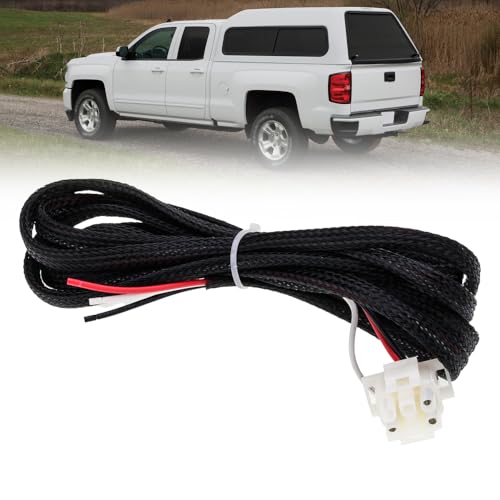
Most truck owners can install the DCC with one helper in about two hours. The process involves positioning the shell on the bed, aligning it with the cab and tailgate, and then tightening the C-clamps along both rails. You’ll connect the dome-light wiring to your truck’s cargo-lamp circuit, which typically requires splicing into a single wire behind the cab. Professional installation is available through LEER dealers and ensures the mounting is torqued to specification, but the job doesn’t require specialized tools beyond basic hand wrenches and a wire crimper.