
LEER 100R Rear Window Fogging Up in Winter? Here’s the Fix
If you’ve noticed your LEER 100R rear window fogging up every time temperatures drop, you’re not alone. Truck cap window condensation is one of the most common cold-weather complaints we hear from owners, and it happens for a straightforward reason: warm, moist air inside the cap meets cold glass, and moisture condenses on contact.
The good news? The fix is usually simple, doesn’t require special tools, and takes less than an hour. We’ll walk you through why this happens on the 100R specifically, how to stop it at the source, and what to do if the problem keeps coming back.
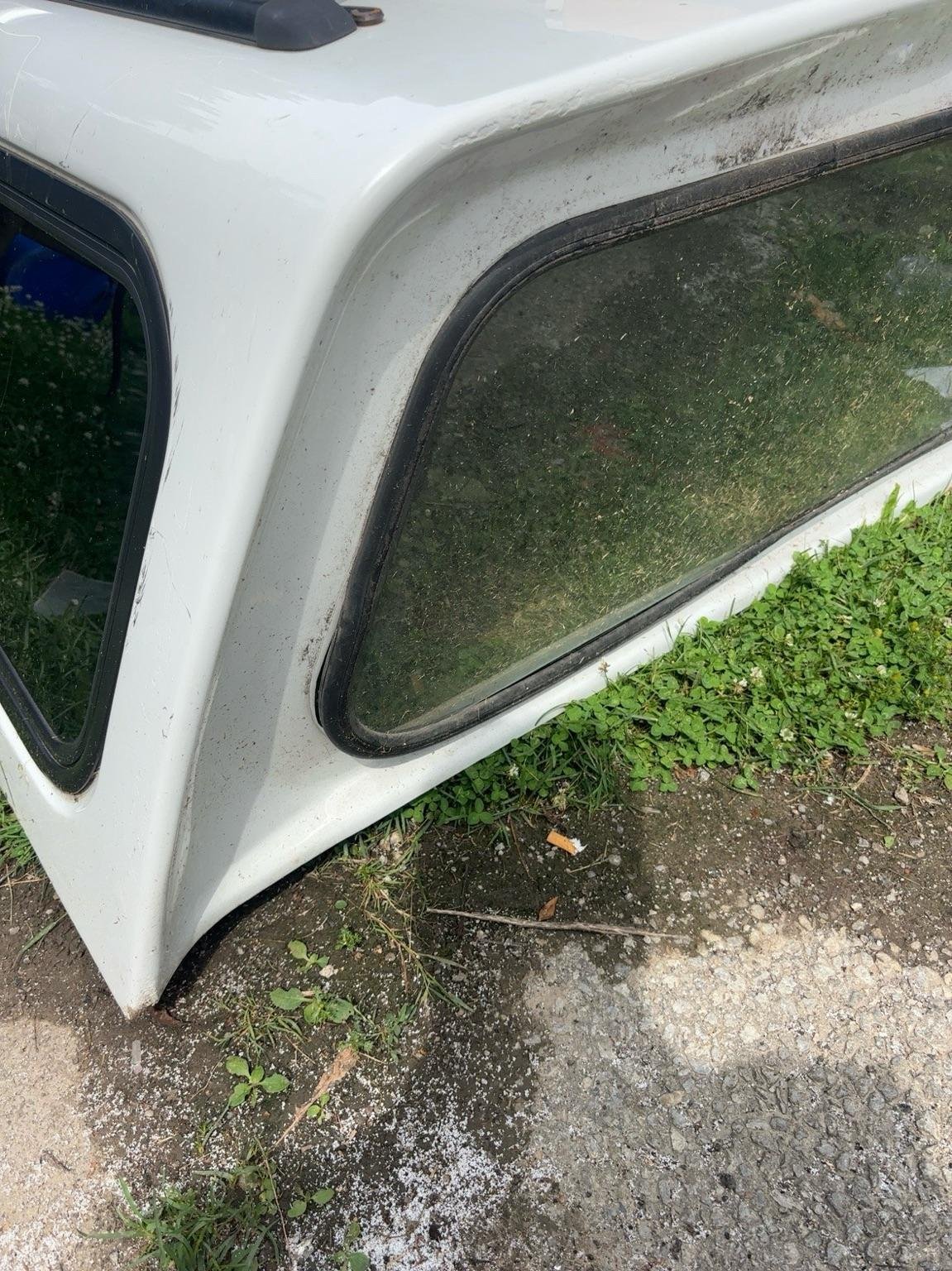
Why the LEER 100R Rear Window Fogs More Than Other Caps
The LEER 100R uses a single-pane sliding rear window with a rubber seal along the perimeter. That design works well in moderate weather, but in winter it creates a perfect condensation zone: the glass temperature drops close to ambient outside air, while the cap interior stays warmer from bed heat, truck exhaust rising through vents, or cargo that retains warmth.
Unlike walk-in caps with side door access and larger vent panels, the 100R’s lower profile means less natural airflow. Walk-in models with side door hinges create cross-ventilation when doors are opened frequently, which helps moisture escape. The 100R’s rear-only access limits that passive air exchange, so humidity builds up faster and has fewer exits.
Three Fixes That Actually Work
1. Open the Front Bulkhead Vent
The simplest fix is often overlooked: open the sliding vent at the front of the cap, directly behind your truck’s rear window. This creates a chimney effect—warmer air rises and exits through the front vent while cooler, drier air enters through the rear sliding window gaps. Run this setup even when parked overnight if you store the truck in a garage.
2. Add a Small Moisture Absorber
A reusable silica gel canister (the kind sold for RVs or safes) placed on the bed floor near the rear glass pulls moisture out of the air before it can condense. Replace or recharge it every two weeks in heavy winter use. Skip the hanging cardboard types—they saturate in days and drip.
3. Check and Replace the Rear Seal
If fogging persists even with ventilation, the rear window seal may have shrunk or cracked. Pull the rubber gasket out of its channel and inspect for gaps. According to guidance from the National Fire Protection Association’s vehicle standard, elastomer seals in outdoor applications lose flexibility below 20°F and should be replaced every three to five years. LEER sells replacement seals by the foot, and installation is a simple press-fit job—no adhesive required.
When Condensation Signals a Bigger Problem
If you see condensation pooling at the bottom edge of the glass or dripping onto cargo, that’s not normal winter fogging—it’s a sign the seal has failed completely or the window track has warped. Water intrusion can rot the bed rails and corrode the cap frame if left unchecked.
Pull the rear window out of its track and inspect the lower channel for standing water or rust stains. If the track shows corrosion, clean it with a wire brush, apply a rust converter, then reinstall the window with fresh sealant along the lower edge only. The top and sides should remain dry-seal to allow the window to slide.

Preventing Fogging Before It Starts
The best fix is never letting moisture accumulate in the first place. If you haul wet gear—firewood, snow-covered tools, hunting equipment—leave the rear window cracked an inch for the first hour of your drive. That lets moisture escape before it settles on cold glass.
In extreme cold (below 10°F), apply a thin film of anti-fog spray to the inside of the glass. The same products used for motorcycle visors work here. Reapply every two weeks, and wipe the glass with a microfiber cloth before each application to remove any oily residue that blocks adhesion.
Winter Fogging Is Fixable
LEER 100R rear window condensation looks like a nuisance, but it’s really just a ventilation problem with a mechanical solution. Open the front bulkhead vent, add a moisture absorber if needed, and replace any worn seals.
If you’ve already tried those steps and fogging continues, the issue is likely outside air leaking in through a crack you haven’t spotted yet. Run a flashlight along the rear glass perimeter in a dark garage—leaks show up as light streaks. Seal those with butyl tape, and the problem disappears for good.
Common Questions About Winter Condensation on LEER Caps
No, condensation itself won’t harm the glass. The risk is to the cap frame and bed rails if water drips and pools over time. Wipe heavy condensation with a towel before it runs down into the seal channel.
That makes it worse. Trapped air has nowhere to vent, so humidity climbs until condensation forms anyway. You need airflow, not tighter seals.
Small 12V fans help if you can mount one near the rear glass and aim it to break up the cold air layer, but they only work while the truck is running. They won’t solve overnight fogging in a parked truck.
Every three to five years, or immediately if you see visible cracks or gaps. Rubber degrades faster in regions with harsh freeze-thaw cycles.
Yes. A tonneau cover traps a second layer of still air and blocks ventilation from the bed. If you run both, remove the tonneau in winter or at least leave its rear panel unlatched.