
ARE Z Series vs CX Series Insulated Truck Caps: Which Thermal Cap Fits Your Hauling Needs?
When you need to protect temperature-sensitive cargo or work gear through every season, an insulated truck cap turns your bed into a climate-controlled vault. ARE builds two premium thermal caps—the Z Series and CX Series—that share the same closed-cell foam core but diverge in construction philosophy.
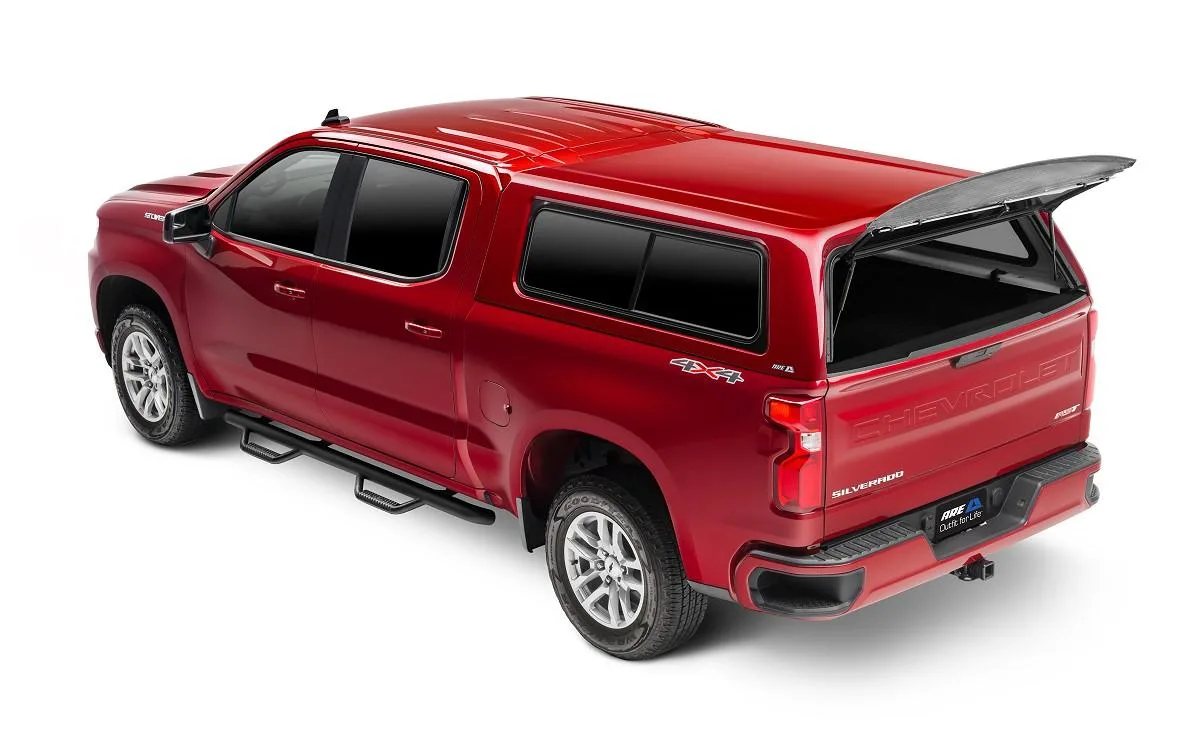
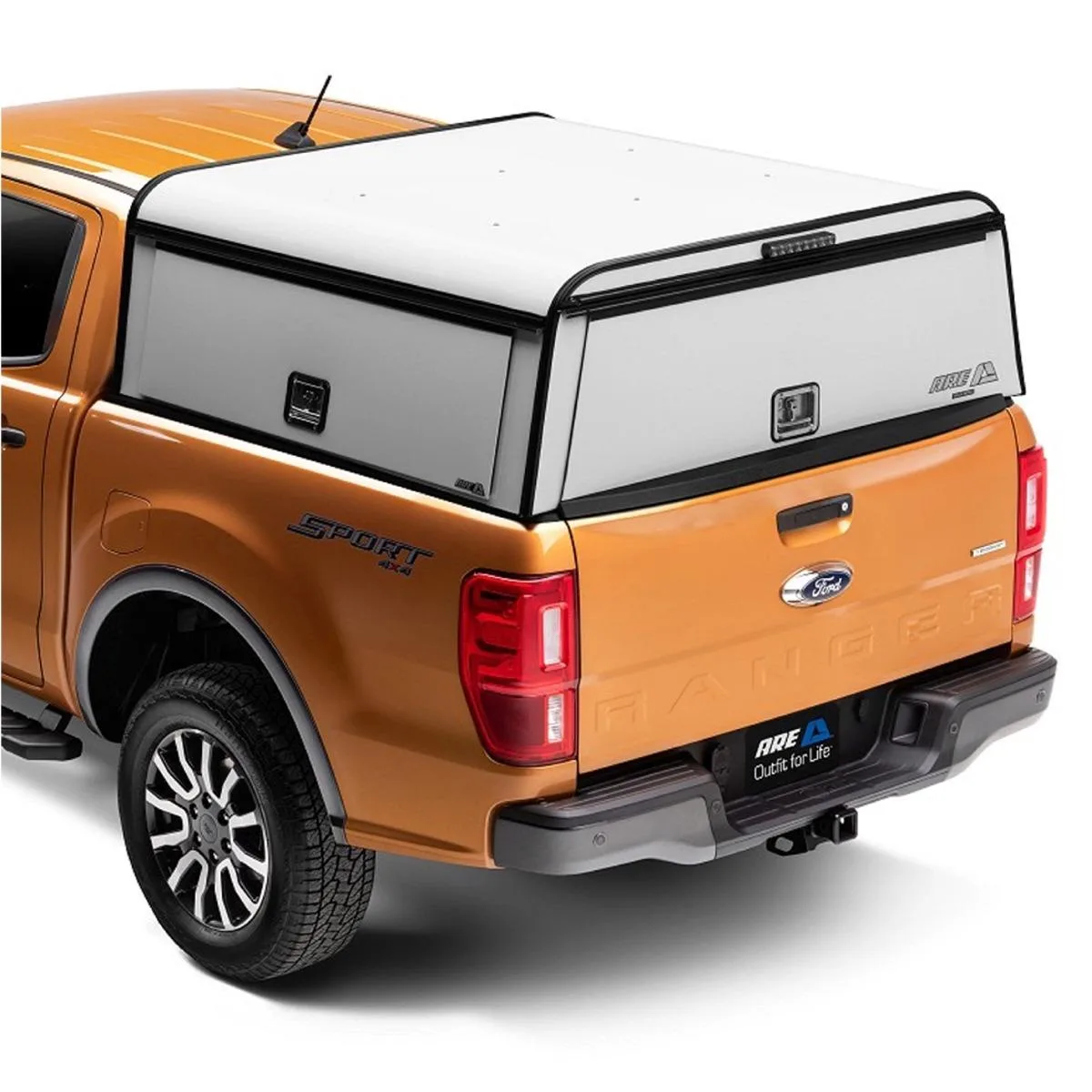
The Z Series uses a steel frame with fiberglass skin, prioritizing strength and traditional mounting hardware. The CX Series opts for an all-composite shell with flush bonding rails, shaving weight while maintaining the same R-value. Both deliver the thermal barrier you need; choosing between them comes down to how you mount accessories, what your truck’s payload allows, and whether you value legacy-style clamps or seamless aesthetics.
Insulation Construction: Same Core, Different Shell Strategy
Both caps sandwich a 1.5-inch closed-cell polyurethane foam layer between their inner liner and outer skin, achieving an R-7 thermal rating that holds interior temps within 15°F of starting conditions for four hours in direct sun. The Z Series bonds that foam to a steel perimeter frame with fiberglass exterior panels, a method ARE has refined over three decades. The CX Series embeds the foam directly into compression-molded composite walls with no secondary frame, relying on the shell’s own rigidity.
That structural choice affects accessory mounting. The Z Series exposes steel crossmembers at the roof and side walls, letting you bolt roof rack systems or ladder racks with standard 10-32 hardware. The CX Series hides all structure inside the composite, so roof bars mount through flush inserts that ARE pre-installs at the factory—you specify bar spacing when you order, and changing it later requires drilling new inserts yourself.
Weight and Payload Impact
The Z Series typically weighs 185–210 lbs depending on truck size, while the CX Series runs 140–165 lbs for the same footprint. That 40–50 lb difference matters if your truck already carries a plow, winch, or heavy toolbox. A RAM 2500 camper top configuration with the CX shell leaves you an extra 45 lbs of payload for gear, enough to pack two more tool cases or an additional fuel can on a long job site trip.
Mounting Systems: Clamp Channels vs Bonded Rails
The Z Series uses ARE’s QuickClamp system—eight to twelve spring-loaded clamps that hook under the bed rail lip and tighten with a quarter-turn knob. You can remove the cap solo in under three minutes, a major advantage if you swap between hauling plywood and pulling a camper trailer seasonally. The clamps live in aluminum channels that run the cap’s perimeter, visible as a 3/8-inch reveal line when installed.
The CX Series bonds directly to the bed rail with a continuous urethane adhesive bead, creating a seamless junction with no visible hardware. Removal requires a heat gun and a trim wedge, taking 20–30 minutes and producing enough mess that most owners treat it as permanent. That trade-off buys you a cleaner look and slightly better dust sealing, since there’s no clamp channel gap for fine silt to migrate through.
Door and Window Hardware Differences
Both caps offer the same side door and rear hatch configurations, but hinge attachment differs. Z Series doors mount to steel brackets welded into the frame, serviceable with a socket wrench if a hinge wears out. CX Series hinges bolt through reinforced composite bosses—replaceable, but requiring you to order truck cap replacement parts from ARE rather than sourcing generic hardware from a local fastener supplier.
Paint Durability and Finish Options
The Z Series fiberglass skin takes a two-stage urethane paint in ARE’s booth, color-matched to your truck’s factory code with a final clear coat. That finish resists tree branch scratches and parking lot dings better than the truck’s own paint, since fiberglass flexes slightly on impact rather than denting. Minor scuffs sand out and recoat easily at any body shop.
The CX composite shell uses an in-mold gel coat—the color is part of the material itself, not a surface layer. Deep scratches expose the same color beneath, so they remain nearly invisible without repainting. The gel coat doesn’t take clear polish as well as urethane, giving it a slightly matte appearance next to your truck’s gloss panels, though most owners only notice in direct sunlight.
Both caps ship in ARE’s standard palette of 23 truck-matched colors. Custom hues cost an extra $400 for the Z Series (a full repaint) but $875 for the CX (a custom gel coat batch), making unusual colors less practical on the composite model.
Real-World Thermal Performance Across Climates
Field testing across ARE’s dealer network shows both caps holding a 55°F interior temp at dawn in Phoenix July heat (ambient 78°F) and maintaining 38°F at noon in Montana January cold (ambient 12°F), assuming you pre-condition the bed space the night before. The polyurethane core performs identically; differences emerge in air leakage around seals.
The CX’s bonded rail eliminates the bed-to-cap junction as a thermal bridge, but its rear hatch uses a compression bulb seal that hardens below 20°F, letting cold air seep in during multi-day sub-zero spells. The Z Series hatch mounts a double EPDM seal that stays pliable to -40°F, holding temperature better in extreme cold, though its clamp channels let more dust infiltrate in dry desert climates.
For context on what ‘closed-cell foam’ means in building terms, the ISO 4898 standard defines cellular plastics’ thermal resistance measurement, the same test method ARE applies to these caps. Truck caps aren’t governed by the same codes as building insulation, but understanding the R-value scale helps you compare a cap’s performance to a household wall or cooler lid.

Selecting the Right Cap for Your Primary Use Case
Choose the Z Series if you frequently remove the cap, mount heavy roof accessories, or work in environments where modular truck bed covers and swappable cargo management matter more than curb appeal. Its steel frame tolerates bolt-on modifications—auxiliary lighting, vents, solar panel brackets—that composite shells resist.
Pick the CX Series if the cap stays installed year-round, your truck’s payload is already tight, or you prioritize a factory-like finish over serviceability. The bonded mount suits owners who treat the cap as a permanent shell upgrade rather than seasonal equipment, common among RAM 1500 truck caps used for daily-driver builds where the bed becomes climate-controlled storage rather than an open cargo area.
Neither cap transforms your truck bed into a true refrigerated space—even with R-7 insulation, interior temps will drift toward ambient over 6–8 hours without active climate control. Both serve best as thermal buffers that slow heat gain in summer and heat loss in winter, protecting paint, electronics, and perishables during the workday rather than replacing a powered cooler.
Matching Cap Construction to Your Hauling Reality
The Z Series and CX Series deliver identical thermal protection—same foam, same R-value, same four-hour hold in extreme temps. Your decision hinges on whether you value removable mounting and bolt-on versatility or prefer a permanent bonded install with a seamless finish.
If your truck serves double duty between work hauls and weekend camping, the Z Series’ clamp system lets you reconfigure quickly. If the cap becomes a fixed part of your truck’s profile and you rarely touch it once installed, the CX’s lighter weight and cleaner lines make more sense. Neither cap outperforms the other in pure insulation—they simply approach the same thermal job with different structural philosophies, each trading specific conveniences for others.
Common Questions About Thermal Truck Cap Selection
Yes, but it requires drilling new mounting inserts into the composite roof, a task ARE recommends having a certified dealer perform to avoid cracking the shell. The factory pre-installs threaded brass inserts during molding if you specify bars at order time, making post-install additions harder than the Z Series, which exposes bolt-ready steel crossmembers.
Neither cap improves mileage—both add 140–210 lbs and create a taller profile that increases drag at highway speeds. Expect a 0.5–1.2 mpg reduction compared to running your bed empty, though the cap’s streamlined nose causes less penalty than a ladder rack or open tonneau flapping in the wind.
Absolutely. Both caps seal well enough that flammable vapor can accumulate, and the foam insulation traps fumes instead of letting them dissipate. Install ARE’s powered roof vent or leave a side window cracked an inch whenever storing volatile liquids, even if the cap feels like it has gaps around the doors.
The clamp feet use nylon contact pads that protect the rail, but road vibration can wear through the pads after two to three years of daily driving. Inspect the pads every oil change and replace worn ones before metal-on-metal contact starts. Replacement pads cost twelve dollars per set and press on without tools.
The Z Series can carry a low-profile RTT if you distribute the load across multiple crossmembers and stay under 250 lbs dynamic weight, though ARE doesn’t officially rate the cap for habitation loads. The CX composite roof isn’t designed for sleep-system weight—consult ARE engineering before mounting anything heavier than a cargo basket.
Both caps’ inner liners are textured ABS plastic, not exposed foam, so you can wipe them with any automotive interior cleaner. Avoid pressure washers inside the cap—high-pressure spray can delaminate the foam from the shell at the seams, especially on older Z Series units where the adhesive has aged.